Source Ammonia Canned Motor Pump for Refrigeration, Chemical, and Biofuel
Compare 30 ammonia canned motor pump listings from verified Chinese manufacturers. Buyers can evaluate specifications like pressure, capacity, and material for refrigeration, chemical processing, and biofuel applications. These pumps feature stainless steel construction, high pressure ratings, and horizontal split designs suitable for various industrial needs.
Key considerations
Products List


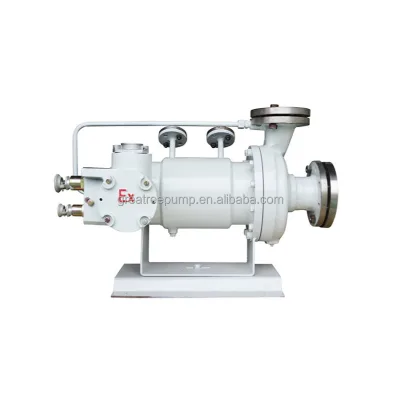
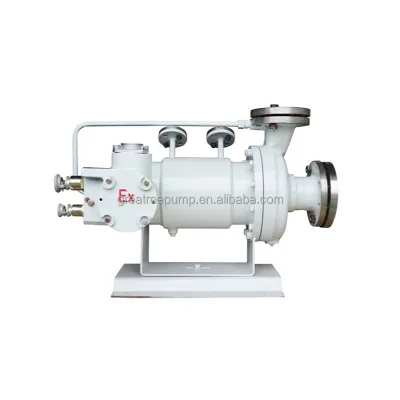
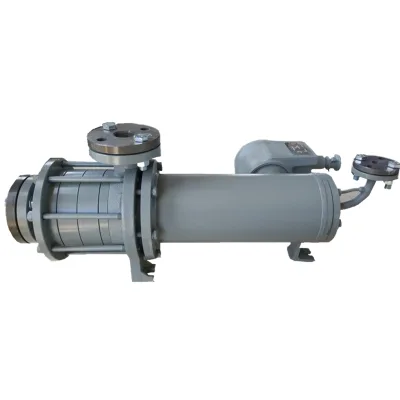
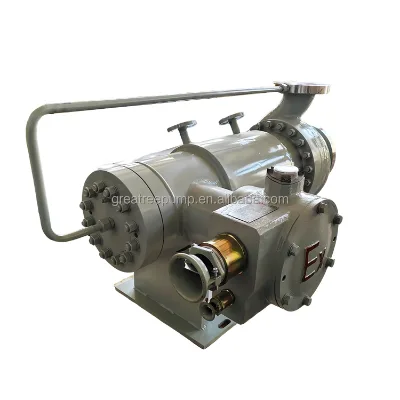
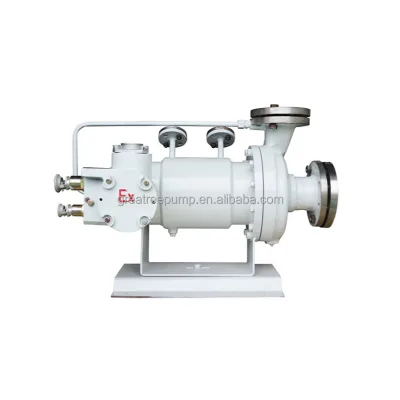
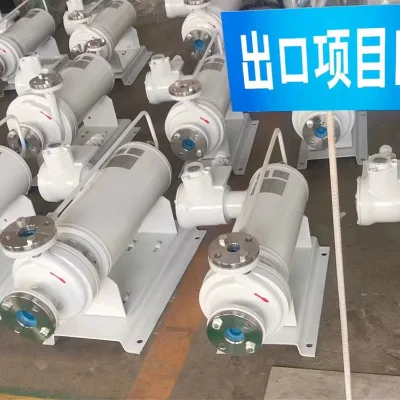


$500.00 - $50000.00
Moq: 1


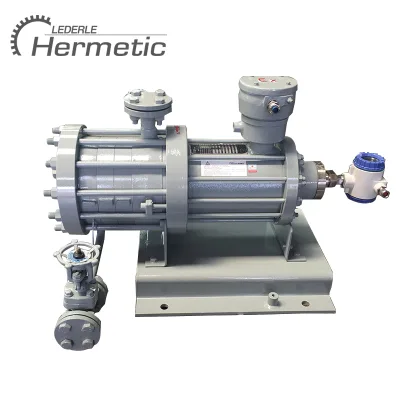


Comprehensive Sourcing Guide
Ammonia Canned Motor Pump Sourcing Guide
Procuring ammonia canned motor pumps requires a rigorous understanding of leak-free sealing technologies and material compatibility. These pumps eliminate mechanical seals, using the pumped medium itself for lubrication and cooling, which is critical for handling toxic or flammable fluids like ammonia. Buyers must prioritize vendors who demonstrate expertise in hermetic motor designs and robust casing integrity. The absence of shaft seals significantly reduces maintenance frequency and environmental risk, making these units ideal for closed-loop refrigeration systems. However, the complexity of the internal hydrodynamic bearings demands careful selection based on specific operational parameters.
Sourcing decisions should be driven by a clear definition of process requirements, including flow rates, head pressure, and temperature ranges. The observed market offers models with varying capacities, such as those exceeding 400 L/min, and heads greater than 150 meters, indicating a wide spectrum of industrial applicability. Buyers must verify that the selected pump model aligns precisely with their system’s hydraulic profile. Generic specifications often fail to capture the nuances of ammonia service, necessitating a detailed technical review before finalizing any purchase order to ensure operational efficiency and longevity.
Product Scope and Observed Listing Signals
The current market landscape for ammonia canned motor pumps reveals a diverse array of configurations tailored to industrial refrigeration and chemical processing. Listings frequently highlight specific model series such as CNF, CAM, and TEIKOKU variants, suggesting standardized design families that buyers can reference for compatibility. These models often support multiple media types, including ammonia, freon, and CO2, indicating versatility in system integration. The presence of customization options allows for tailored solutions, though buyers must confirm that customizations do not compromise the hermetic seal integrity or motor cooling efficiency.
Observed product attributes indicate a strong emphasis on horizontal split pump designs with single-suction impellers, which facilitate easier maintenance and inspection. Materials range from stainless steel to carbon steel, each offering distinct advantages in corrosion resistance and mechanical strength. The color gray is commonly noted, likely referring to the external casing finish, while wooden case packing suggests protection for heavy, precision-engineered units during transit. Buyers should note that while many listings claim new condition, the specific origin points, such as Dalian or Shandong, highlight key manufacturing hubs in China where supply chain dynamics may influence delivery and support.
Technical Specifications to Verify
Verifying the hydraulic performance curves is essential to ensure the pump meets the system’s demand without excessive energy consumption. Key parameters to validate include the maximum head, which may exceed 150 meters in high-pressure applications, and the rated pressure, typically ranging from 1 to 10 MPa. Buyers must confirm that the impeller type, whether closed or open, matches the purity of the ammonia to prevent clogging or erosion. The multi-stage design often found in these pumps allows for higher pressure generation, but it also introduces complexity in bearing alignment and thermal management that must be scrutinized.
Motor and drive specifications require equal attention, particularly the driving type and mounting configuration. Most listed units utilize motor-driven systems with horizontal shaft positioning, which simplifies installation but demands precise foundation leveling. The applicable temperature range, often cited between -100°C and +450°C for broader industrial pumps, must be cross-referenced with the actual ammonia operating conditions to prevent material failure. Additionally, the influent type of the impeller, such as single-suction, affects the axial thrust balance, necessitating verification of the bearing load capacity to ensure long-term reliability under continuous operation.
Compliance and Safety Documentation
Safety compliance is paramount when handling ammonia, a substance classified as toxic and flammable. Buyers must request documentation confirming that the pump design adheres to relevant pressure vessel directives and electrical safety standards for hazardous environments. The hermetic nature of canned motor pumps inherently reduces leak risks, but certification of the motor’s insulation class and thermal protection mechanisms is crucial to prevent ignition sources in case of overheating. Documentation should explicitly state the pump’s suitability for ammonia service, including material compatibility reports for wetted parts.
Quality assurance records, such as video outgoing inspections, provide visual evidence of the manufacturing quality and final assembly integrity. These videos can reveal weld quality, surface finishes, and the condition of external connections, offering a layer of transparency before shipment. Buyers should insist on comprehensive test reports that verify pressure testing and electrical insulation resistance. Ensuring that the supplier provides clear safety data sheets and operational manuals is also vital for proper installation and emergency response planning, mitigating risks associated with ammonia leaks or mechanical failures.
Cost Drivers and Commercial Terms
The price range for ammonia canned motor pumps is extensive, reflecting variations in material quality, motor efficiency, and customization levels. Costs can range from modest entry-level units to high-end, specialized models exceeding tens of thousands of dollars. Key cost drivers include the use of premium stainless steel for wetted components, advanced bearing materials, and high-efficiency motor designs. Buyers should analyze the total cost of ownership, considering energy consumption and maintenance intervals, rather than focusing solely on the initial purchase price. Customization options, while beneficial, often incur additional charges and may extend lead times.
Commercial terms such as minimum order quantity and delivery time significantly impact procurement planning. Many suppliers offer a minimum order quantity of one set, facilitating small-scale replacements or pilot installations. Delivery times are often quoted around seven days for standard models, but customized units may require longer production periods. Buyers must clarify whether the quoted price includes packaging, such as wooden cases, and international shipping costs. Understanding the payment terms and warranty coverage is also essential to protect against defects and ensure financial predictability throughout the procurement lifecycle.
Supplier Qualification and Quality Control
Evaluating supplier capability involves assessing their production capacity and quality management systems. Suppliers with an annual production capacity of 500 sets or more likely possess established manufacturing processes and supply chain stability. Buyers should verify the supplier’s experience in producing canned motor pumps specifically for ammonia applications, as this niche requires specialized knowledge in hydrodynamic bearing design and motor cooling strategies. Requesting references from existing clients in the refrigeration or chemical industry can provide insights into the supplier’s reliability and after-sales support capabilities.
Quality control processes should be transparent and rigorous. Suppliers should provide detailed inspection reports and, where possible, allow for third-party inspections before shipment. The availability of video outgoing inspections is a positive indicator of transparency, allowing buyers to verify the physical condition of the pump. Buyers should also inquire about the supplier’s approach to material traceability, ensuring that all components, from impellers to casings, meet the specified material grades. A robust quality control system minimizes the risk of receiving defective units and ensures consistent performance across multiple installations.
Long-Term Procurement Checks
Establishing a long-term partnership with a reliable supplier requires ongoing performance monitoring and feedback loops. Buyers should track key performance indicators such as mean time between failures, energy efficiency, and maintenance costs over time. Regular reviews of pump performance data can help identify potential issues early, allowing for proactive maintenance and preventing costly downtime. Maintaining open communication with the supplier regarding operational challenges can lead to product improvements and better support for future procurement needs.
Supply chain resilience is another critical aspect of long-term procurement. Buyers should assess the supplier’s ability to provide spare parts and technical support over the lifespan of the equipment. Given the specialized nature of canned motor pumps, access to genuine replacement parts is essential for sustained operation. Buyers should also consider the supplier’s financial stability and market reputation to ensure they will be available for future support. By prioritizing these long-term factors, buyers can secure a reliable supply of high-quality ammonia canned motor pumps that meet their evolving operational requirements.
FAQs
How do I choose between F Type and R Type ammonia canned motor pumps?
Choose the F Type or R Type based on your refrigeration system requirements, since both variants are offered for ammonia service. F Type units typically suit standard low-temperature refrigeration circulation, while R Type models handle configurations needing different head and flow characteristics. Confirm your rated pressure range, applicable medium, and temperature requirements with the supplier before selecting, because customized standards are available for both series.
What is the minimum order quantity for a refrigeration ammonia pump?
The minimum order quantity is 1 set, so buyers can order a single pump for trials, replacements, or small projects. This low MOQ makes it practical to validate performance before committing to larger volumes. Customization is available even on single-unit orders, and pumps ship in wooden cases with video outgoing inspection provided. Confirm final order terms directly with the supplier for your specific configuration.
Which media can the canned motor pump handle besides ammonia?
Depending on the model, these pumps handle ammonia, Freon, CO2, and silicon oil, with some configurations rated for oil, gas, and chemical applications. Verify the exact medium compatibility for your chosen model before ordering, since applicable media differ between product variants. Temperature ranges also vary by model, from -100 to +40 degrees on some units and -120 to +450 degrees on others, so match specifications carefully.
What working pressures and capacities do these ammonia pumps support?
Rated pressure ranges from 1 to 10 MPa on some models and 1.6 to 10 MPa on others, covering high-pressure pumping duties. Capacity on listed models exceeds 400 L/min, and maximum head reaches over 150 meters on certain configurations, while other models deliver 80 to 110 meters. Review the specific model datasheet, such as 40p10X4-RW122.5 or CNF and CAM series, to match your system conditions.
Can the ammonia pump be customized for my refrigeration system?
Yes, customization is available, and product standards can be supplied as customized builds rather than only fixed catalog models. You can request adjustments to specifications, materials, and configurations to fit your refrigeration or biofuel industry application. Stainless steel and carbon steel material options exist across the range. Discuss your operating medium, pressure, and temperature requirements with the supplier to define the customized configuration.
What are the delivery times and production capacity for these pumps?
Delivery time can be as short as 7 days for certain models, and production capacity is listed at 500 sets per year. Lead times may vary depending on customization complexity and order volume, so confirm the schedule for your specific configuration when ordering. The 1 set minimum order quantity supports urgent replacement needs, while the annual capacity accommodates larger recurring procurement programs.
How are the pumps packed and inspected before shipping?
Pumps are packed in wooden cases suitable for export handling, and video outgoing inspection is provided so buyers can verify condition before dispatch. All listed products are new units originating from China, with production locations including Dalian and Shandong. Request the inspection video and packing details when confirming your order, especially for customized standards, to ensure the packaging protects the pump during transit to your facility.
Which pump construction features should I verify before ordering?
Check the driving type, which is motor driven, and the mounting configuration, listed as suction centrifugal with horizontal pump shaft position. Impeller construction is closed with single suction, and some models are multistage with horizontal split casings. Stainless steel or carbon steel materials are available. Confirming these construction details, along with head and pressure ratings, ensures the pump matches your ammonia refrigeration system layout.